EN
EN


Manual spot-checking was once the standard answer. It no longer works when a modern conveyor is moving at 40 or 50 metres per minute. You cannot station a person at every metre of belt and expect consistent results. What the industry needs — and what the most efficient plants have quietly installed — is an inline checkweigher that is accurate enough to catch meaningful deviations, fast enough not to be the bottleneck, and smart enough that your operators do not spend half a shift reconfiguring it every time a SKU changes.
Guangdong Yiwan Testing Technology Co., Ltd. [1], headquartered in Dongguan, Guangdong — one of China's most logistics-dense manufacturing corridors — has built its reputation on detection and weighing equipment that plants in food, pharmaceutical, textile, and electronics industries rely on day in and day out. Their high-precision inline checkweigher reflects exactly the engineering priorities that those sectors demand.
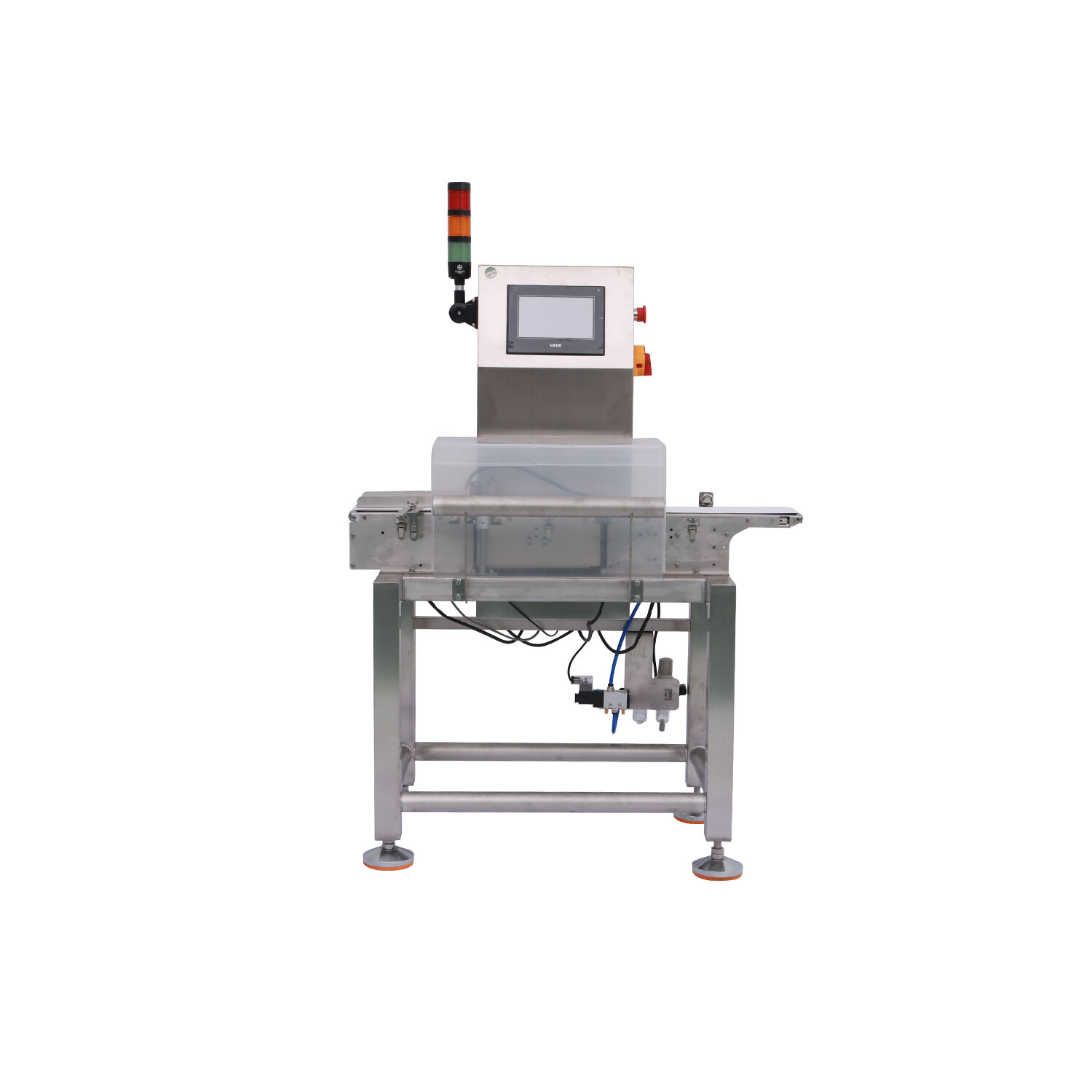
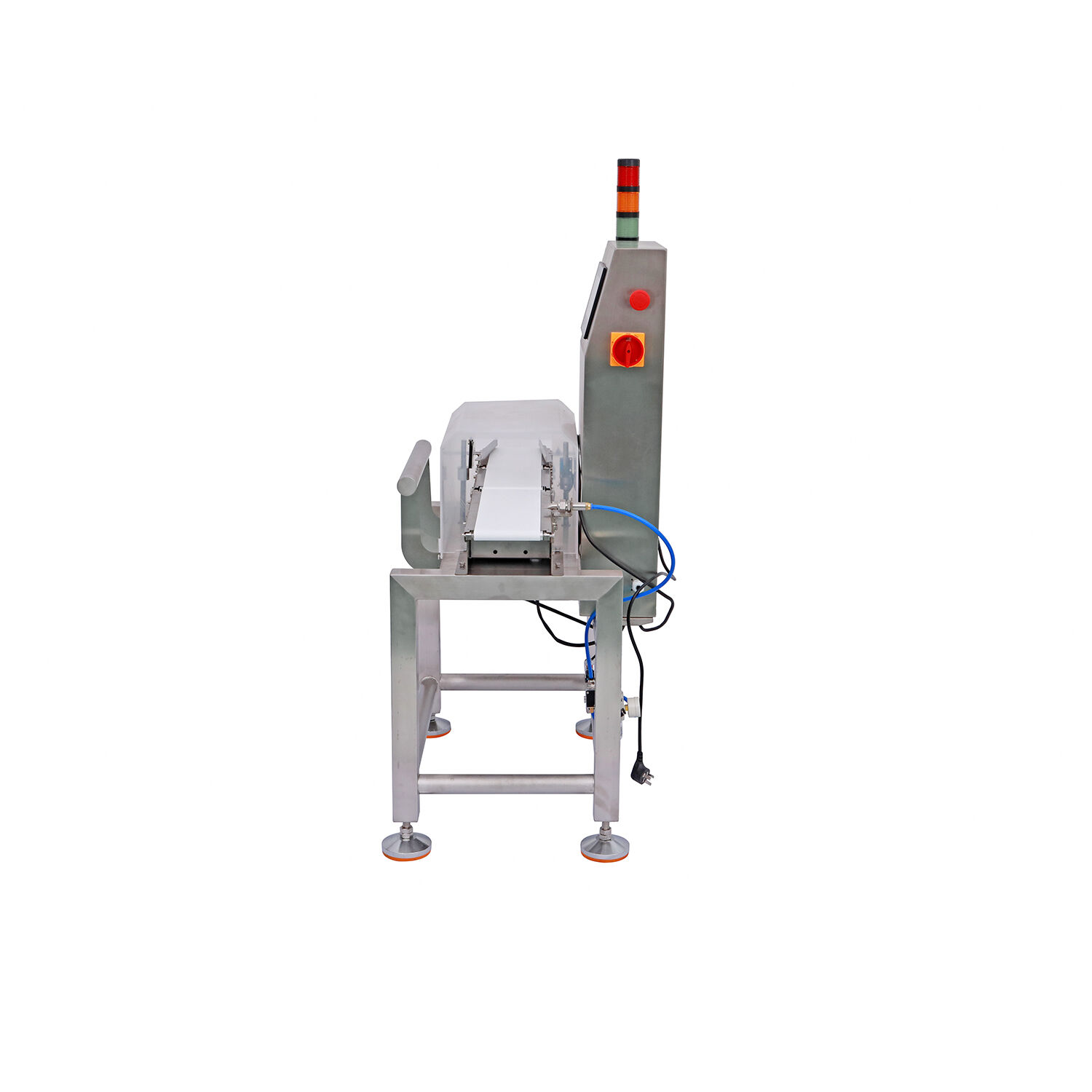
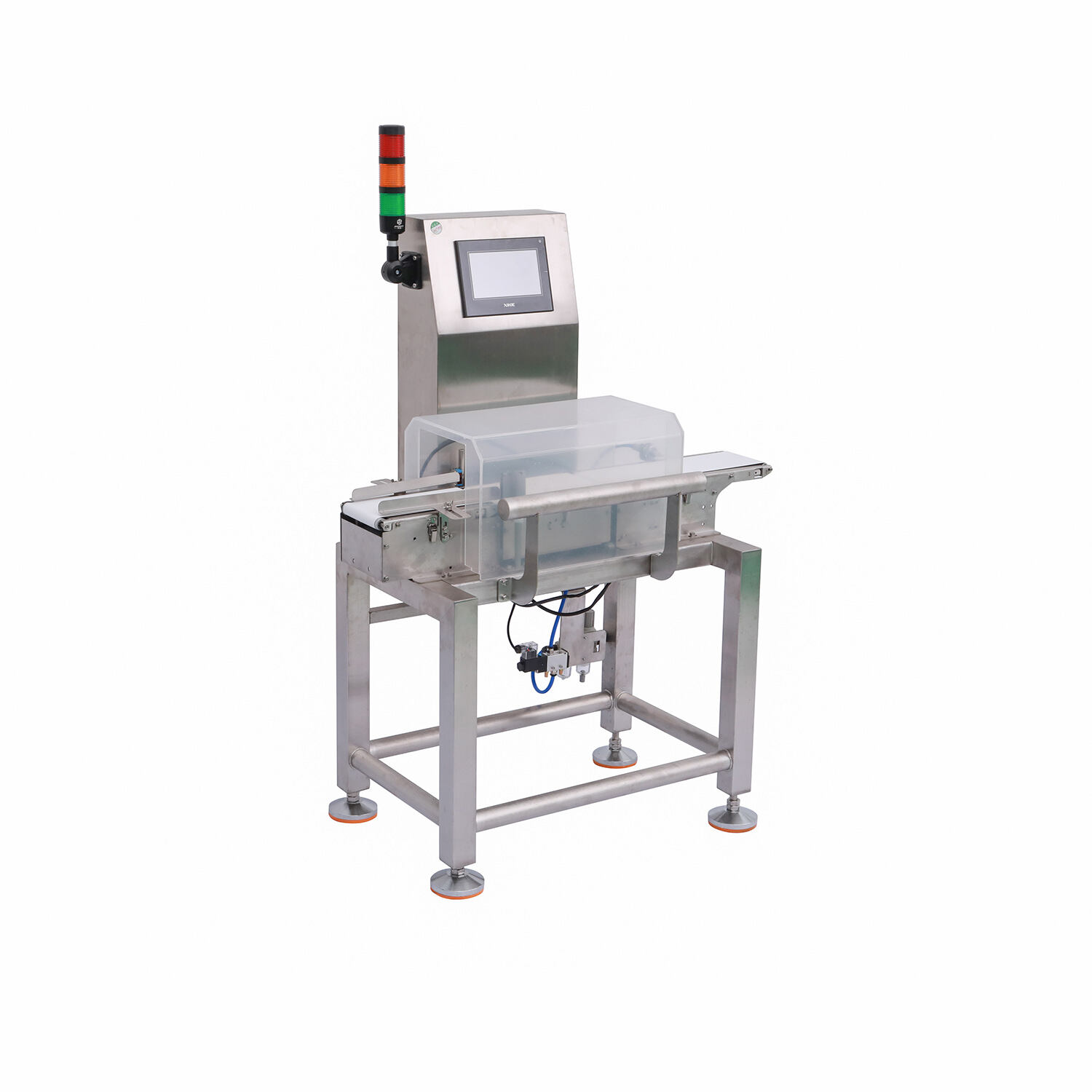
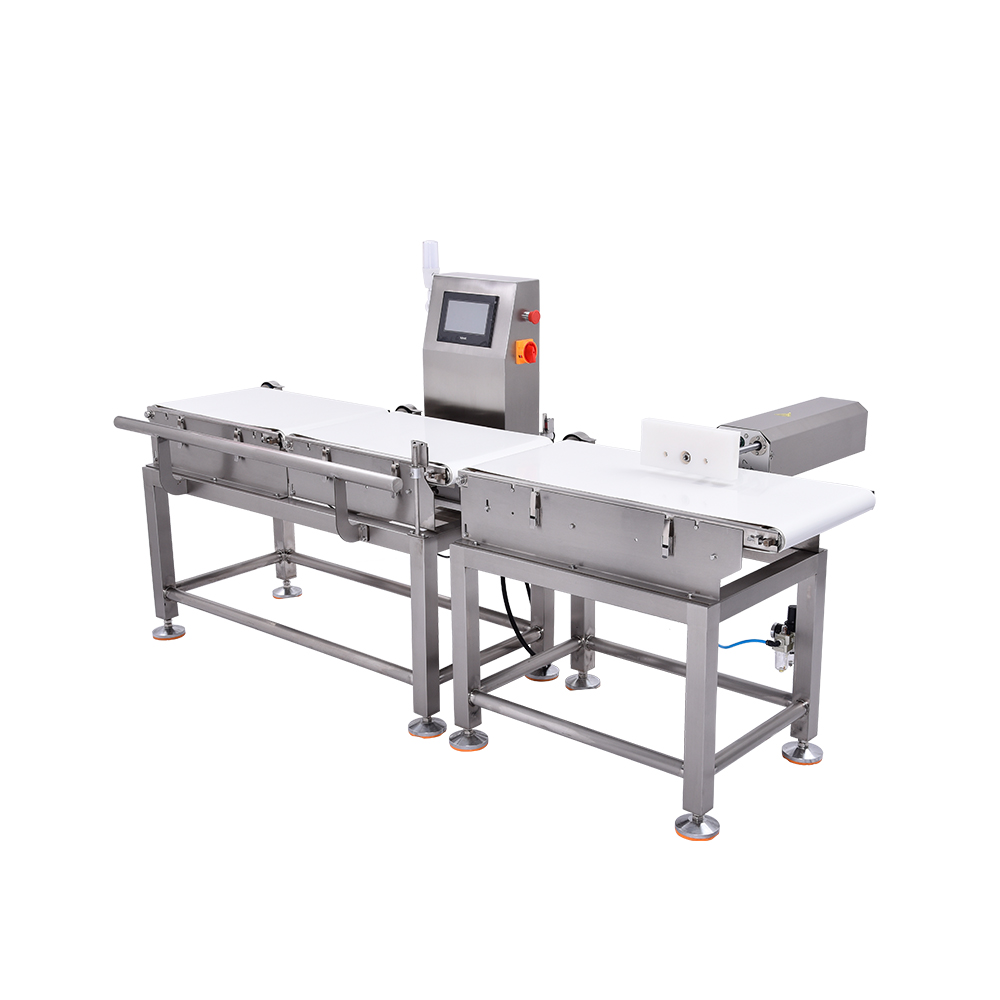
Here is what the core specification sheet actually means in practice:
| Parameter | Specification |
|---|---|
| Weighing Range | Less than 200 g |
| Minimum Scale Division | 0.1 g |
| Accuracy Range | ±0.05 g – ±0.1 g |
| Belt Speed | 10 – 60 m/min (adjustable) |
| Weighing Belt Dimensions | 250 mm (L) × 120 mm (W) |
| Maximum Product Size | 100 mm (L) × 100 mm (W) |
| Preset Product Capacity | 100 individual product profiles |
| Power Supply | AC 220V ±10%, 50 Hz, 90 W |
| Equipment Footprint | 900 mm (L) × 500 mm (W) × 1,250 mm (H) |
| Rejection Methods | Pusher, Flap, Air Blow, Swing Arm |
| Belt Material | Food-grade PU |
| Interface | 7-inch Weintek colour touchscreen, USB / RS-232 / RS-485 |
An accuracy range of ±0.05 g to ±0.1 g is not a marketing figure — it is an engineering commitment. For products in the sub-200 g range (think single-serve sachets, capsule blister packs, or small consumer electronics components), a deviation of even 0.2 g per unit can cross a regulatory threshold or represent a meaningful percentage of the product's declared net weight. At high-volume throughput, closing that gap translates directly into recovered margin, fewer rework cycles, and a dramatically shorter path to ROI.
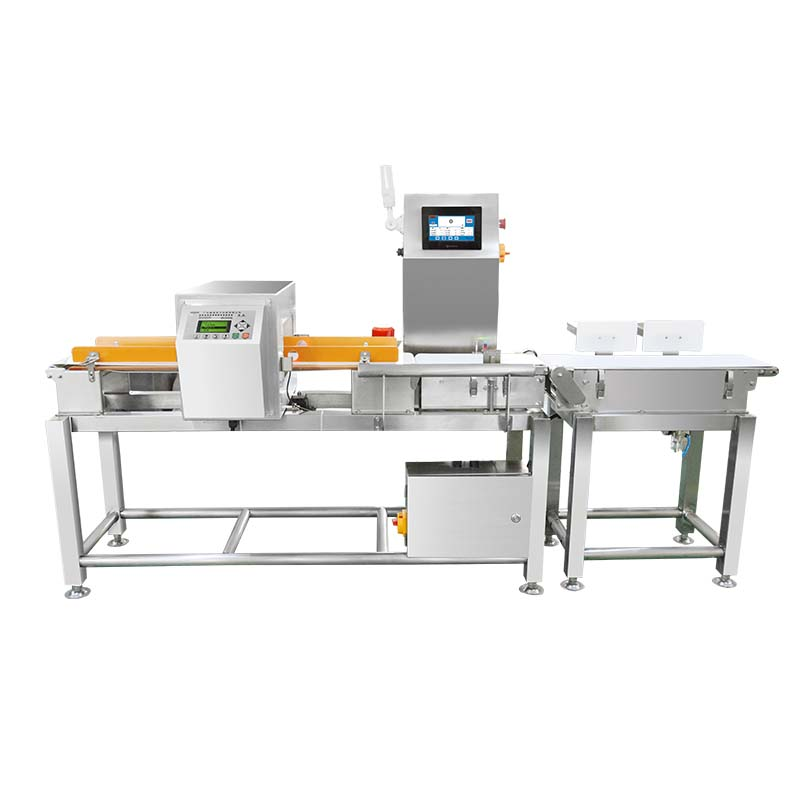
A checkweigher that cannot keep pace with the upstream conveyor becomes the productivity bottleneck that operators resent and managers work around. With a belt speed range of 10 to 60 metres per minute, this unit is designed to match — not constrain — the pace of mainstream production lines. The food-grade PU belt, sized at 250 mm by 120 mm, accommodates a broad range of packaged product footprints without requiring mechanical modification between product families.
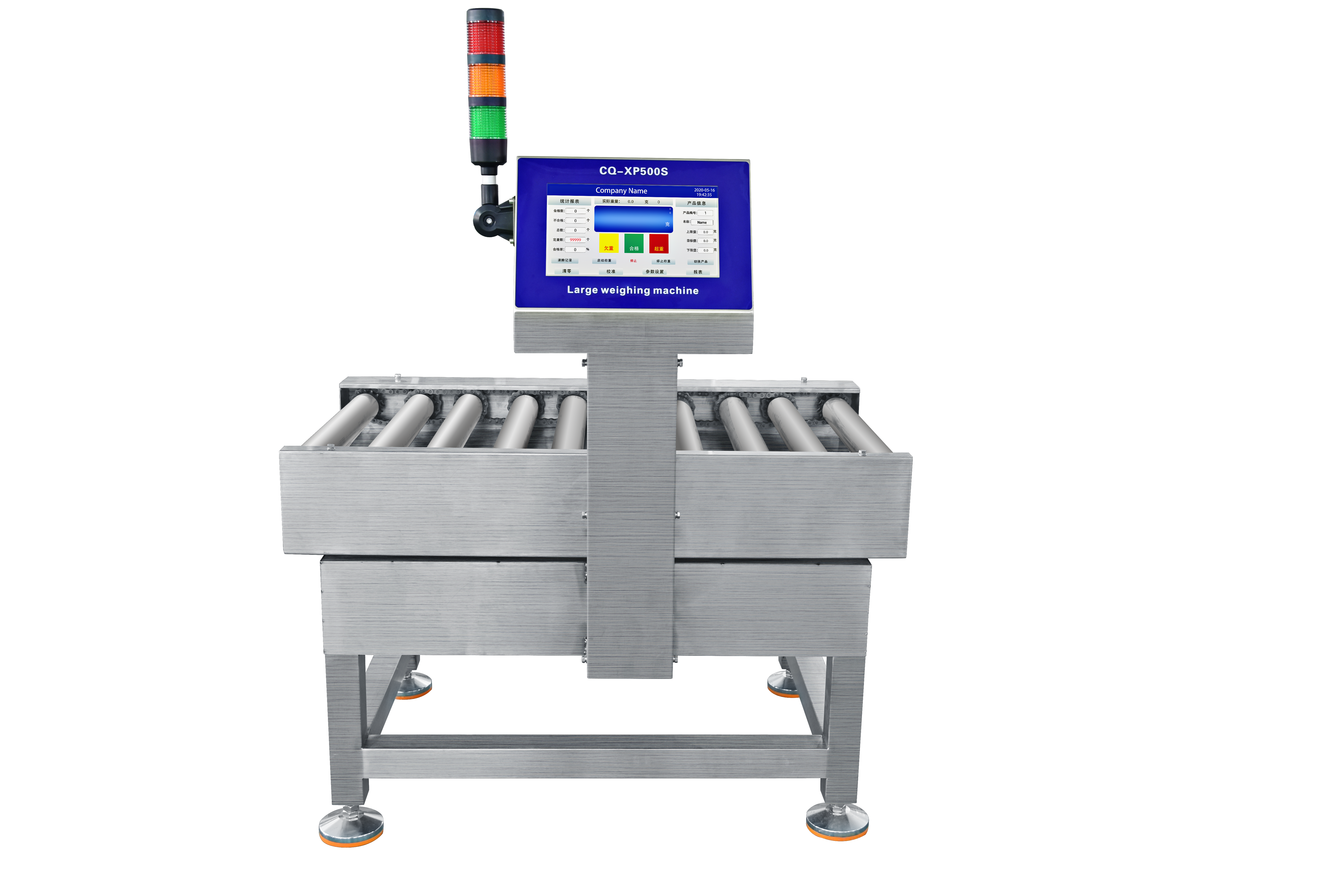
The Weintek 7-inch colour touchscreen brings a standardised, fully humanised interface to the shop floor. The built-in automatic learning function means the machine trains itself to the weight profile of a new product with minimal operator input. Store up to 100 distinct product parameters onboard, and switching between SKUs becomes a matter of selecting a saved profile — not calling the maintenance department. The unit also supports USB, RS-232, and RS-485 connectivity for integration with factory MES or ERP systems.
One of the less-discussed failure modes of cheaper checkweighers is drift: the reading baseline shifts slightly over a long shift due to vibration, thermal expansion, or belt wear, and the machine begins passing units that it should be rejecting. Yiwan's high-precision digital sensor incorporates both manual and automatic zero-tracking, continuously recalibrating the baseline so that the accuracy specification holds from the first unit weighed at 06:00 to the last unit at 22:00.
Out-of-spec product that stays on the line defeats the entire purpose of a checkweigher. The four available rejection mechanisms — pusher, flap, air blow, and swing arm — cover virtually every product type and line layout. Fragile or soft items that cannot survive a mechanical push are handled by the air-blow option; heavier or sturdier products suit the pusher or swing arm. The choice of rejection method can be matched to the product, not the other way around.
Yiwan's checkweighers are deployed across a wide range of industries [1]: food and beverage production (where weight declarations carry legal weight), pharmaceutical packaging (where dosage consistency is a safety matter, not merely a commercial one), electronics assembly (where component quantities drive downstream yield), and daily chemicals (where package consistency affects shelf presentation and consumer trust).
The application scope — electronics, pharmaceuticals, food, beverages, health care products, daily chemicals, and agricultural or sideline products — reflects a deliberate design philosophy: build a platform that is precise enough for the most demanding regulated environments, then make it flexible enough for high-mix consumer goods lines.
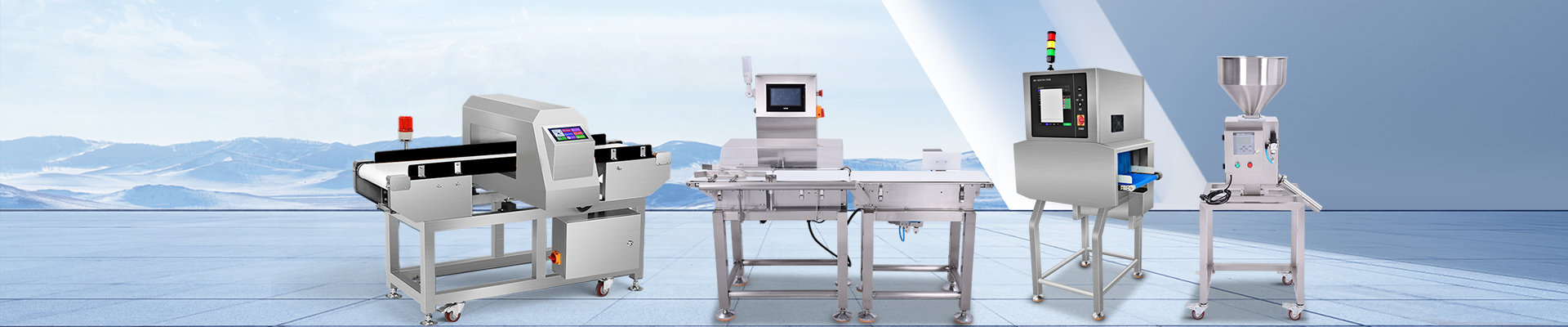
Founded and headquartered in Liaobu Town, Dongguan City, Guangdong Province, Yiwan is a specialist manufacturer of checkweighers, metal detectors, X-ray foreign-body inspection systems, metal separators, and needle detectors [1]. The company's product range is trusted by food, textile, and pharmaceutical companies globally, and its capabilities extend to OEM/ODM manufacturing and custom engineering for clients with non-standard line requirements.
If imprecise in-line weighing is a recurring source of customer complaints, material giveaway, or compliance headaches on your production floor, the specification profile of this checkweigher is worth a closer look. The numbers in the spec sheet are not aspirational — they are the performance baseline the machine is built to hold, shift after shift.
Phone: +86 185 7599 3435
Email: [email protected]
Address: Liaobu Town, Dongguan City, Guangdong Province, China
Website: www.gdyw88.com
 Hot News
2026-04-25
2024-05-22
2024-05-22
2024-05-22