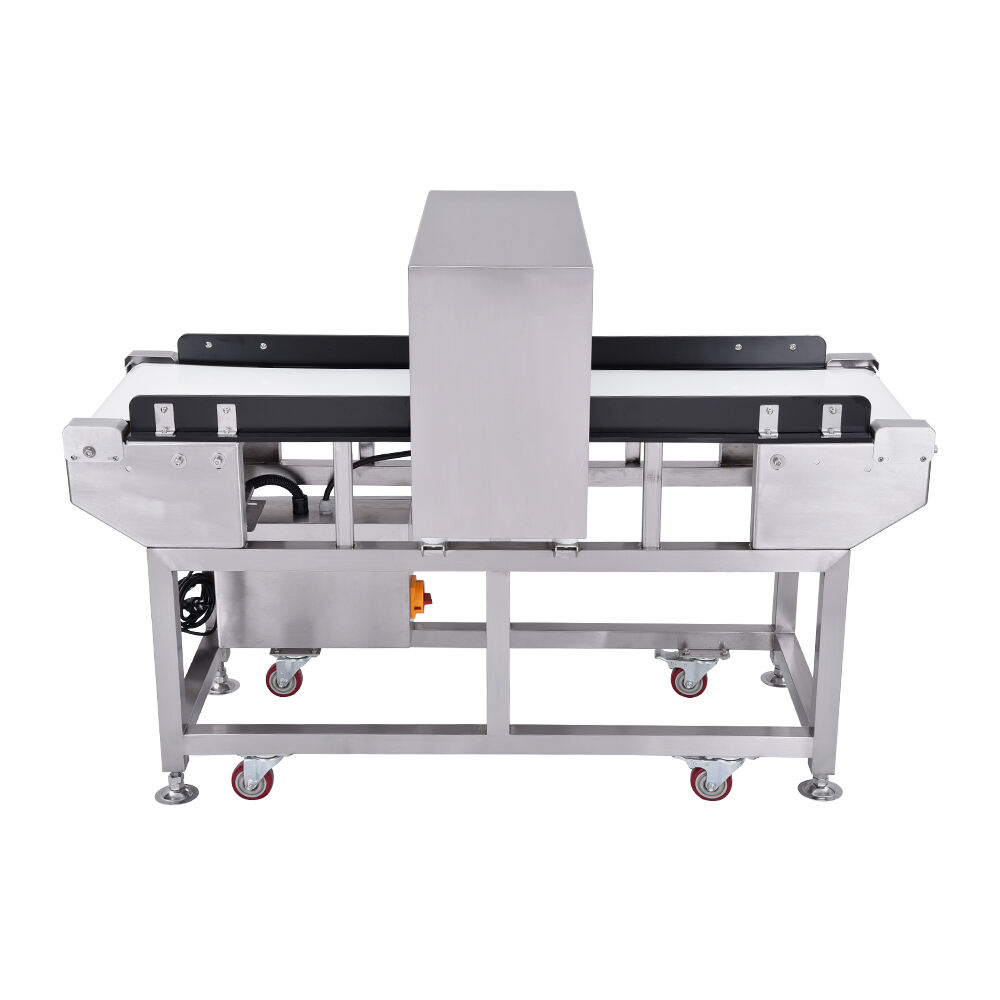
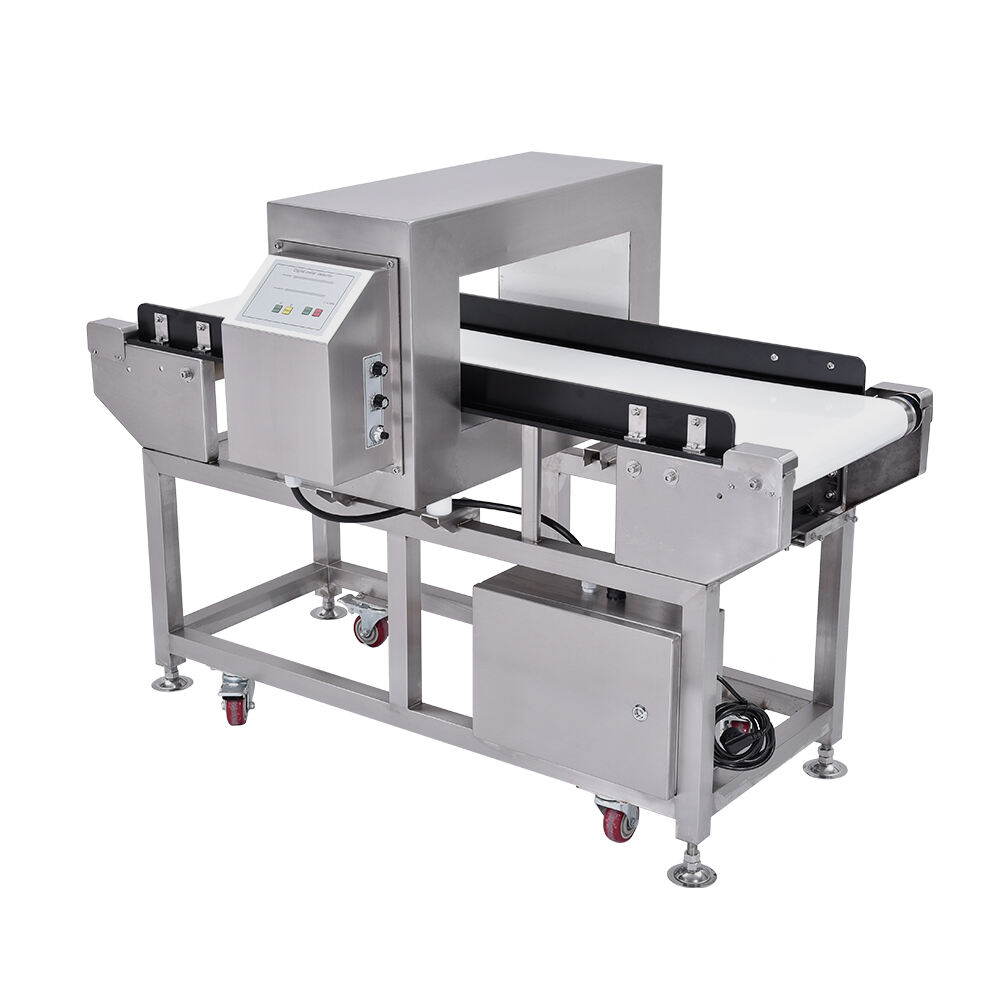
metal detectors food processing
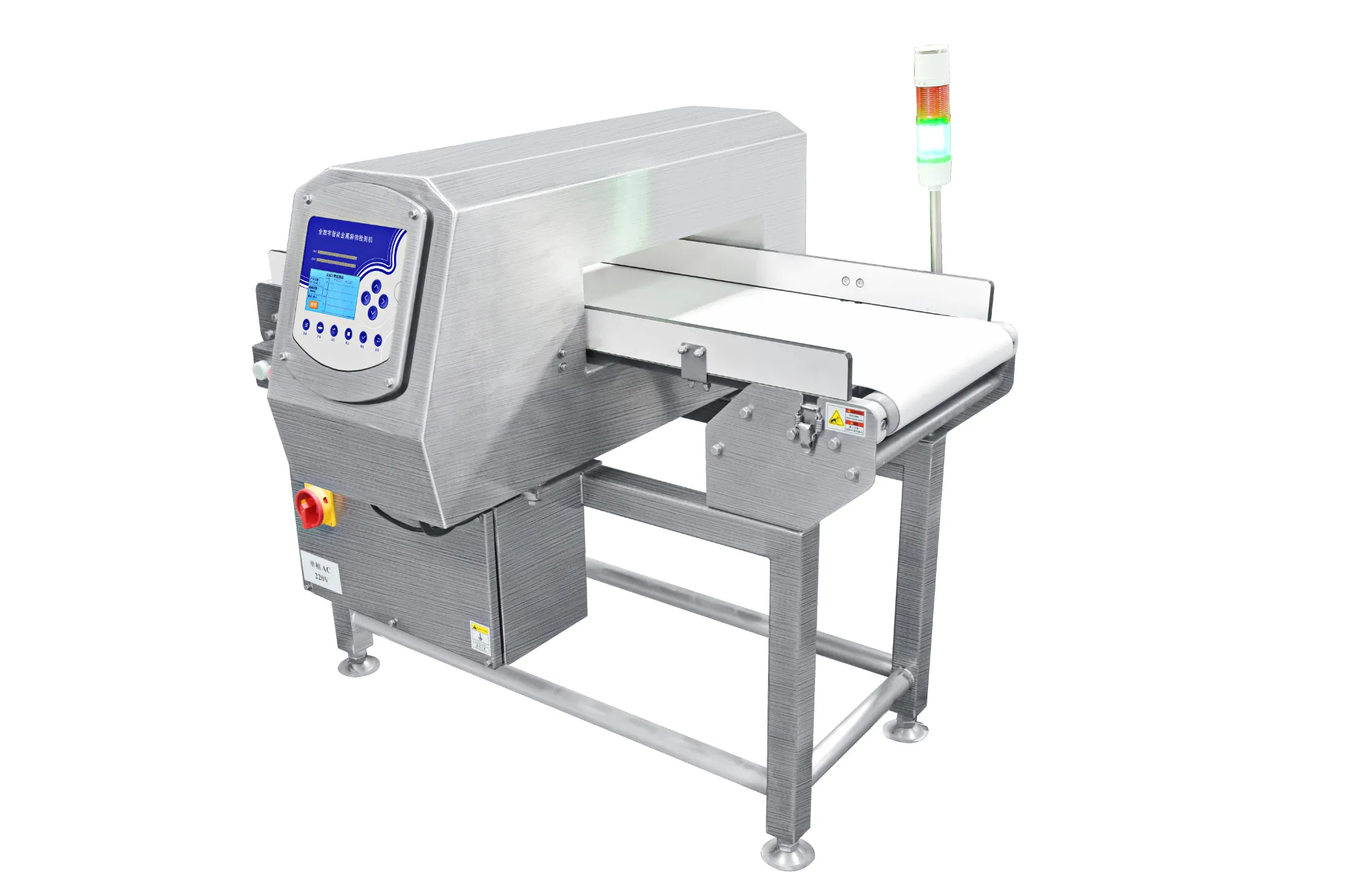
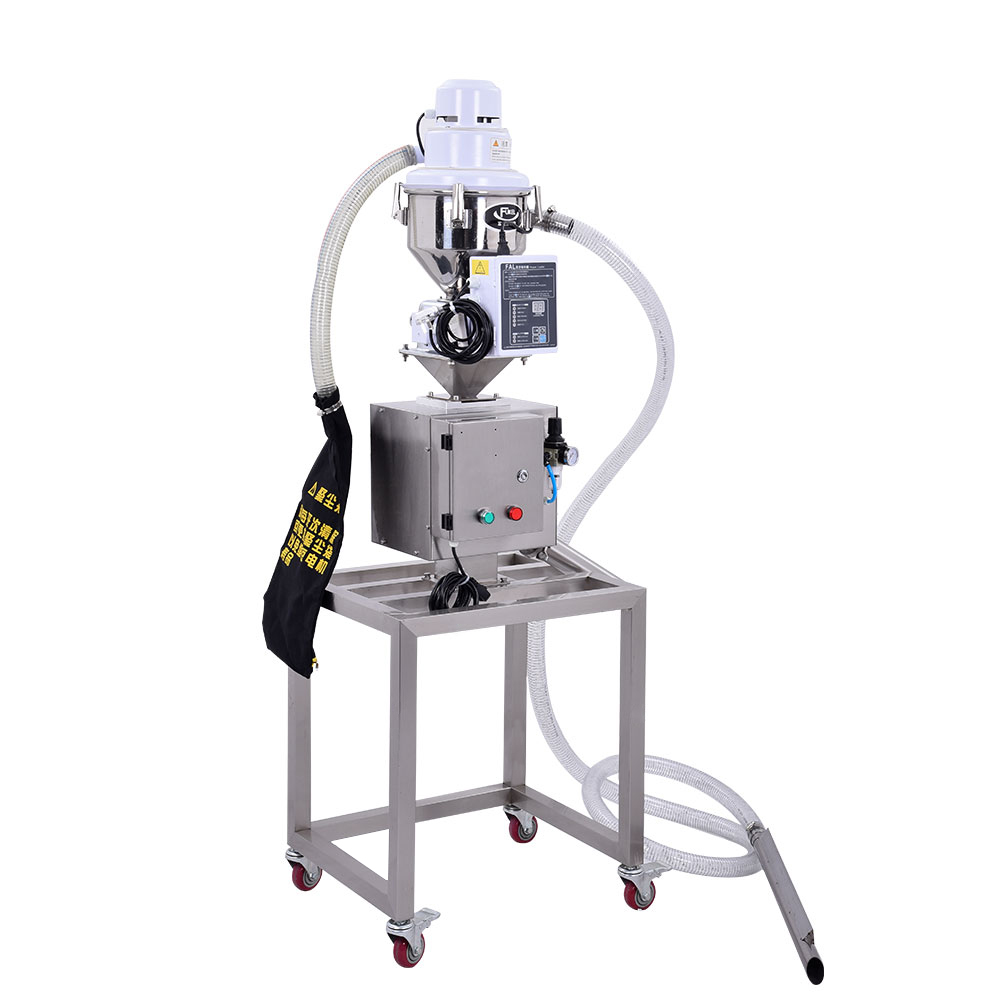
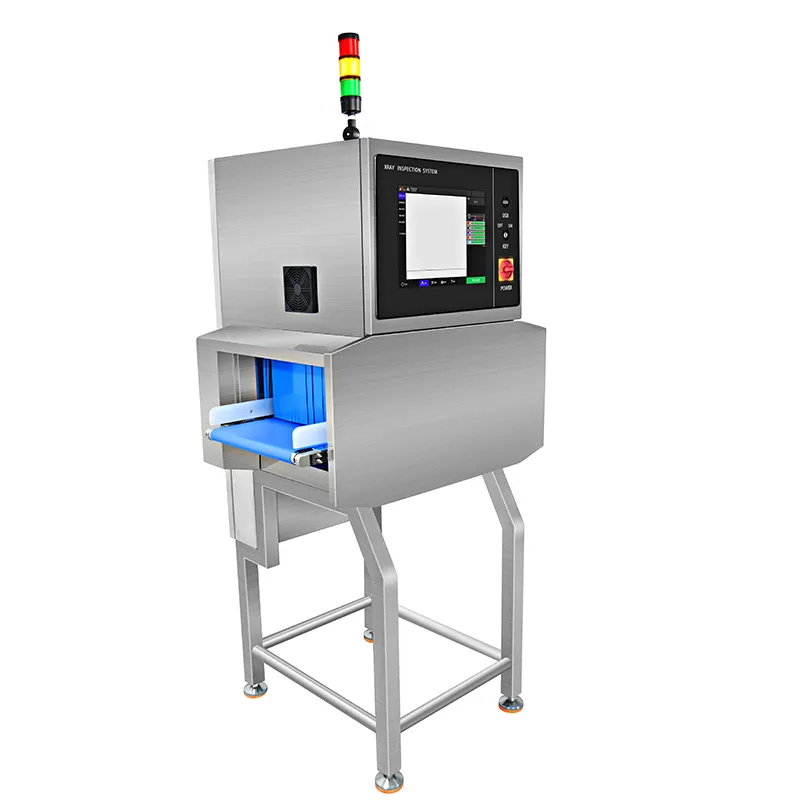
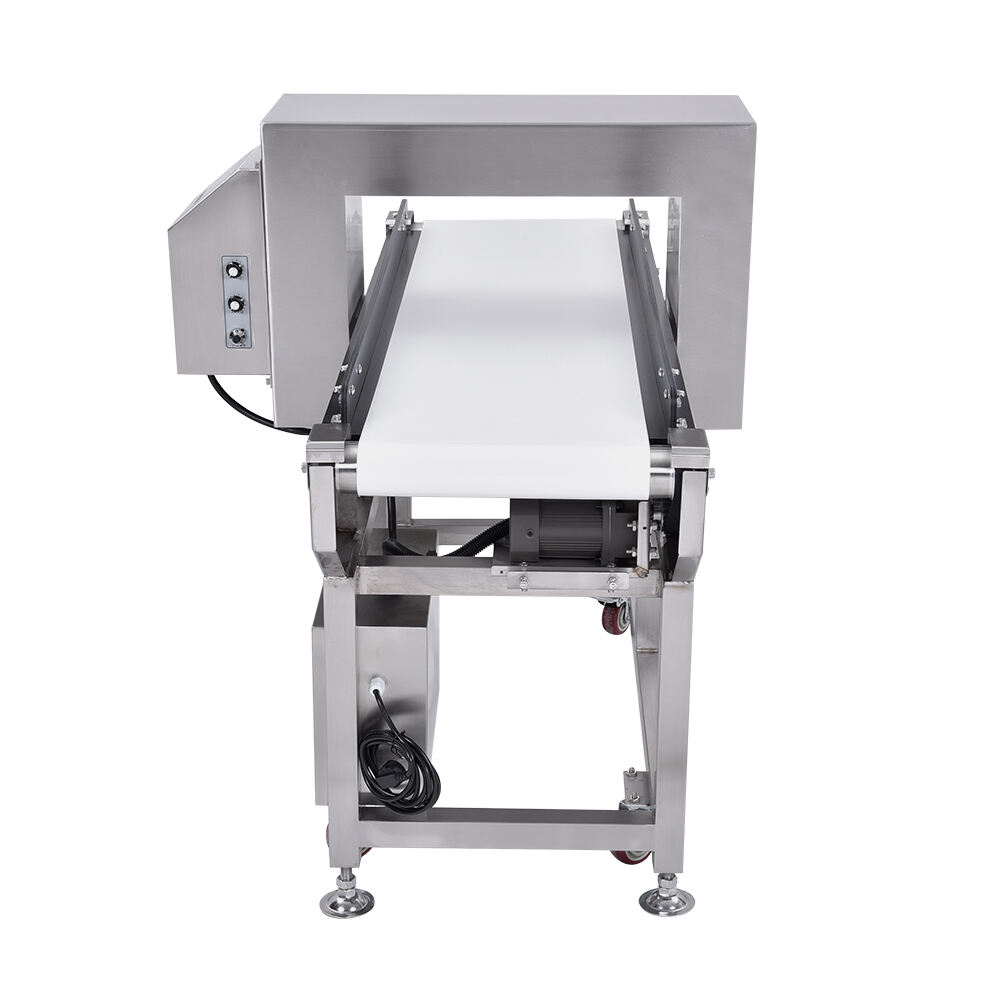
Metal detectors in food processing represent a critical quality control technology designed to ensure product safety and maintain compliance with regulatory standards. These sophisticated devices utilize advanced electromagnetic fields to identify and remove metallic contaminants from food products during the production process. Operating through a combination of balanced coil systems and powerful digital signal processing, these detectors can identify ferrous, non-ferrous, and stainless steel particles with remarkable precision. The technology works by creating a controlled electromagnetic field and monitoring for disturbances caused by metallic objects passing through the detection zone. Modern food processing metal detectors feature automatic calibration systems, multiple frequency ranges, and advanced filtering algorithms to minimize false rejections while maintaining optimal sensitivity. They are typically integrated into production lines and can be configured for various food products, from dry goods to wet or conductive items. The systems come equipped with comprehensive data logging capabilities for traceability and compliance documentation, making them essential for HACCP programs and food safety certifications. These detectors can operate at high speeds, processing thousands of products per hour while maintaining consistent detection accuracy.
 EN
EN